How it is used now
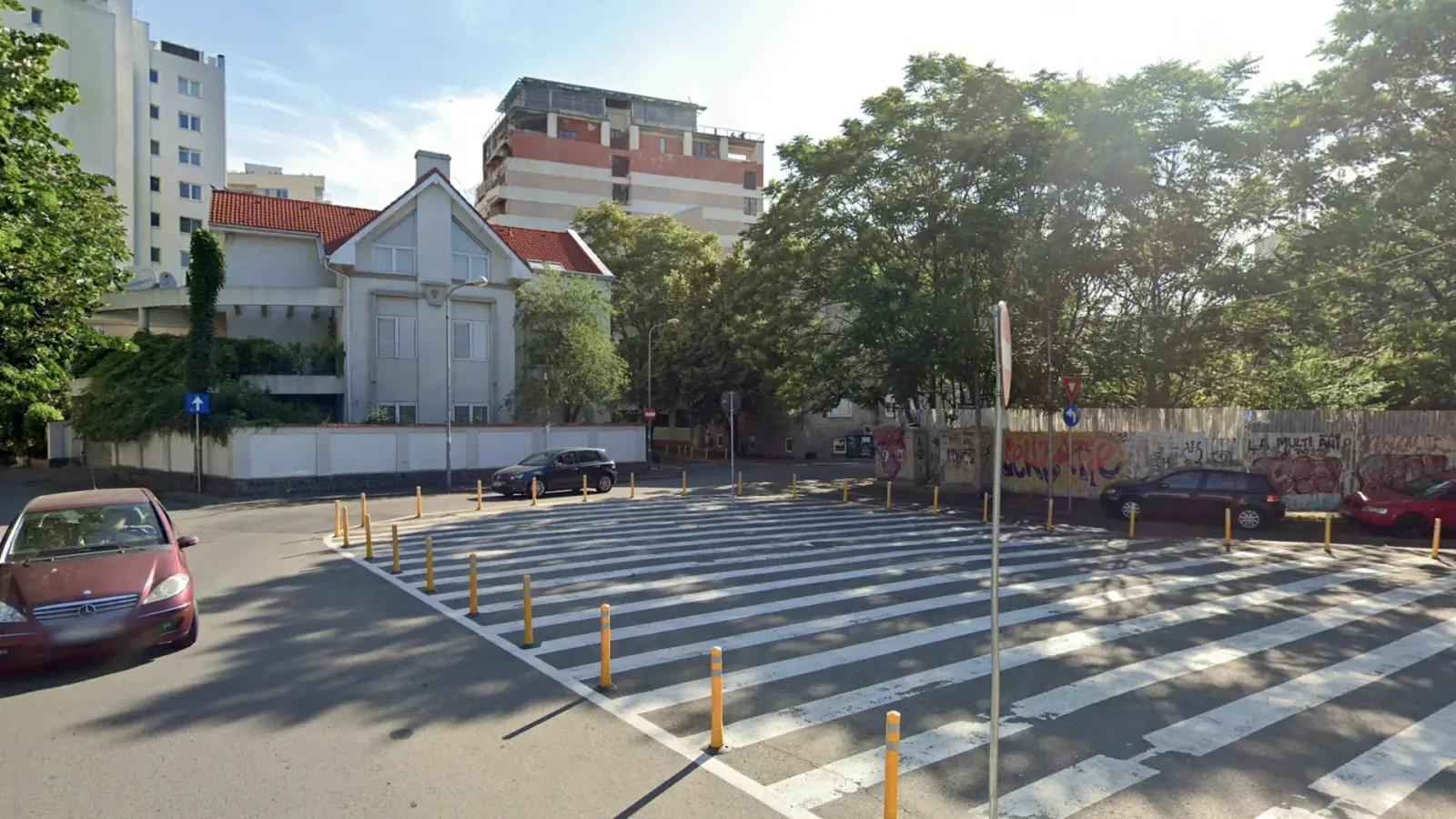
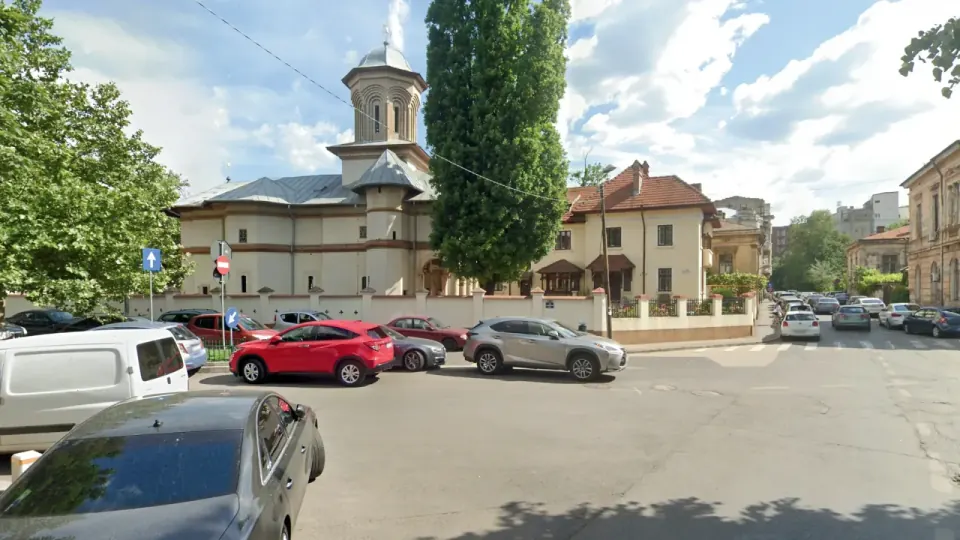
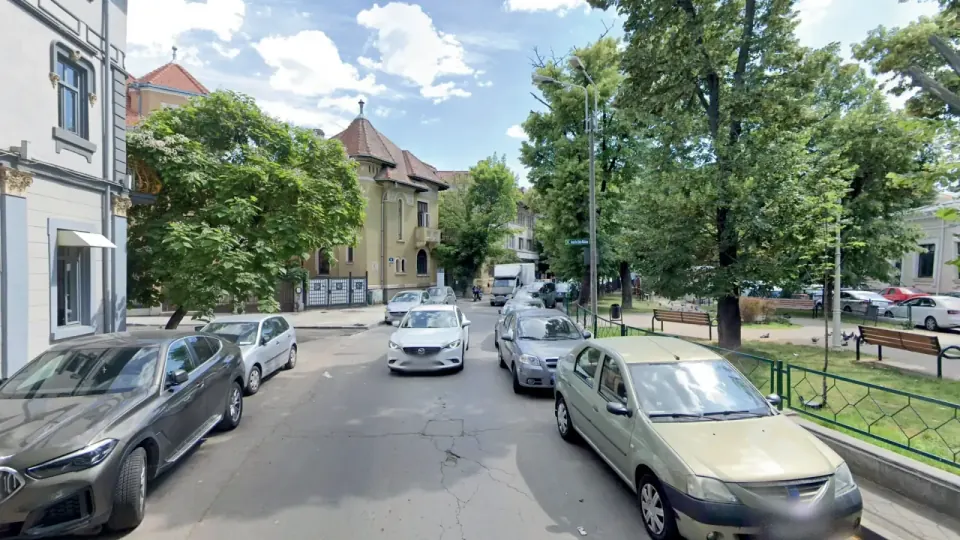
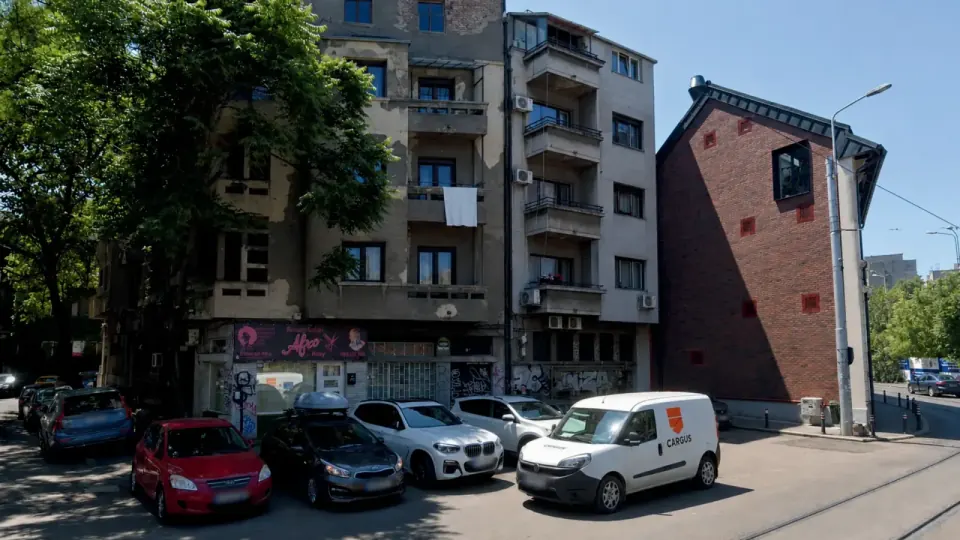
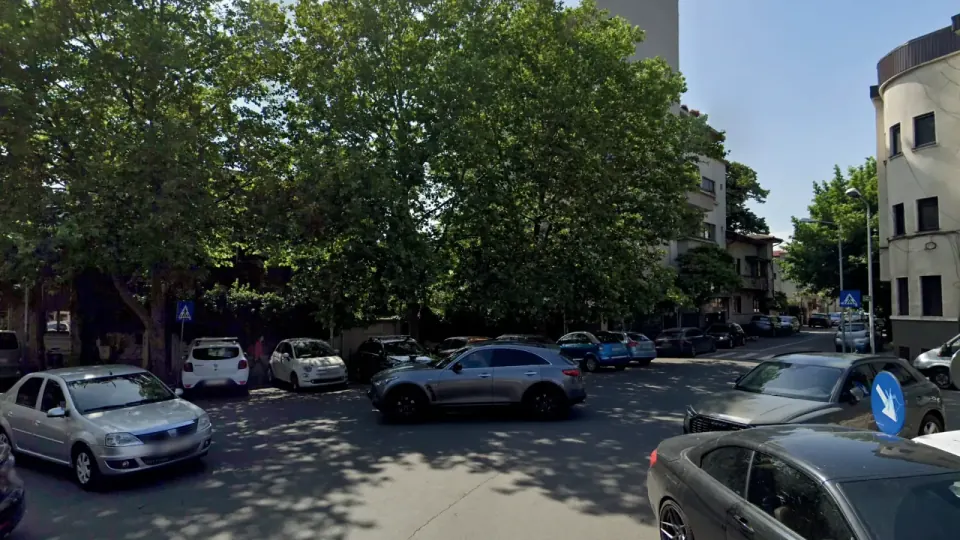
People cross the junction, wait briefly or use the routes toward Popa Rusu, Corbeni and Armenească. The marked-off area does not yet have enough furniture or planting to support rest and socialising.
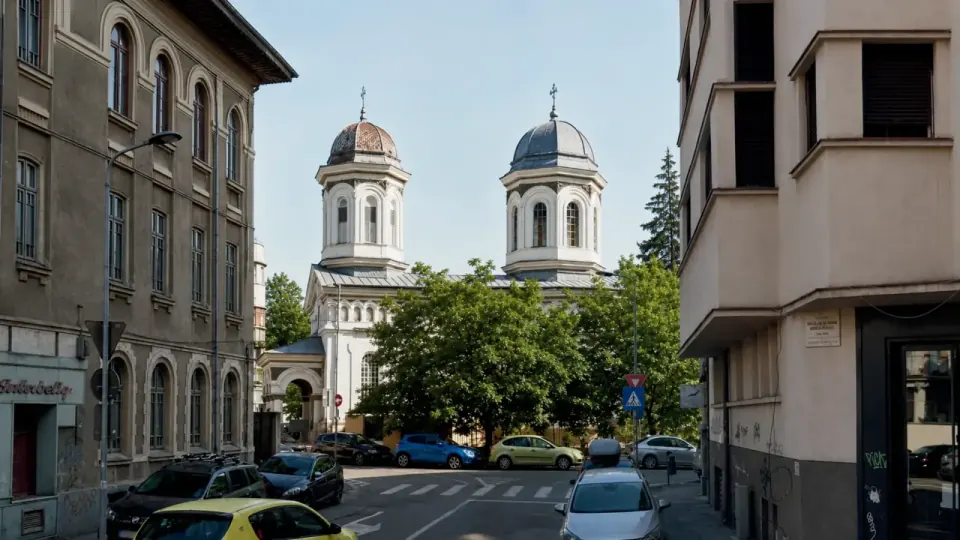
The junction of Popa Rusu, Corbeni and Armenească streets
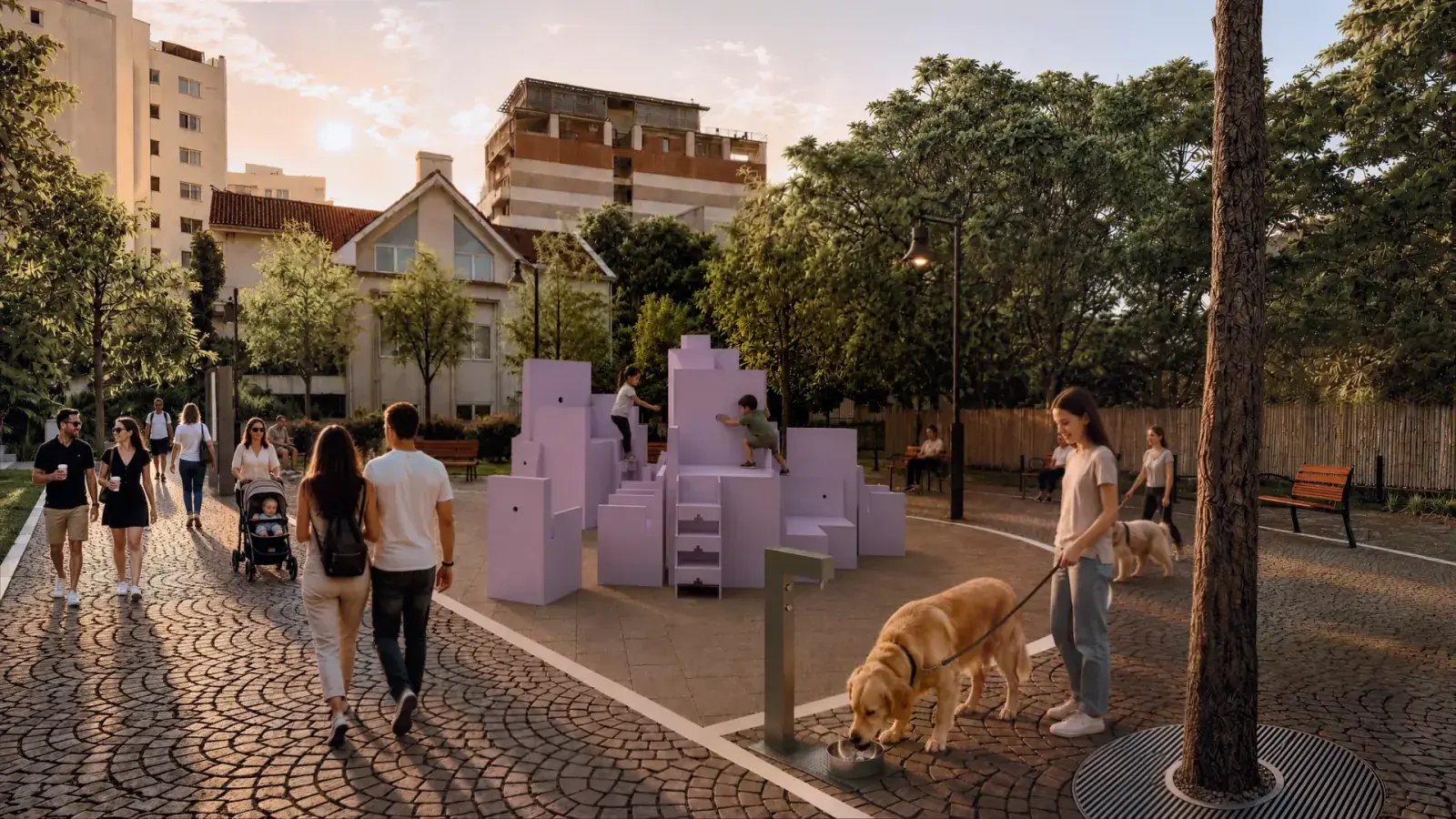
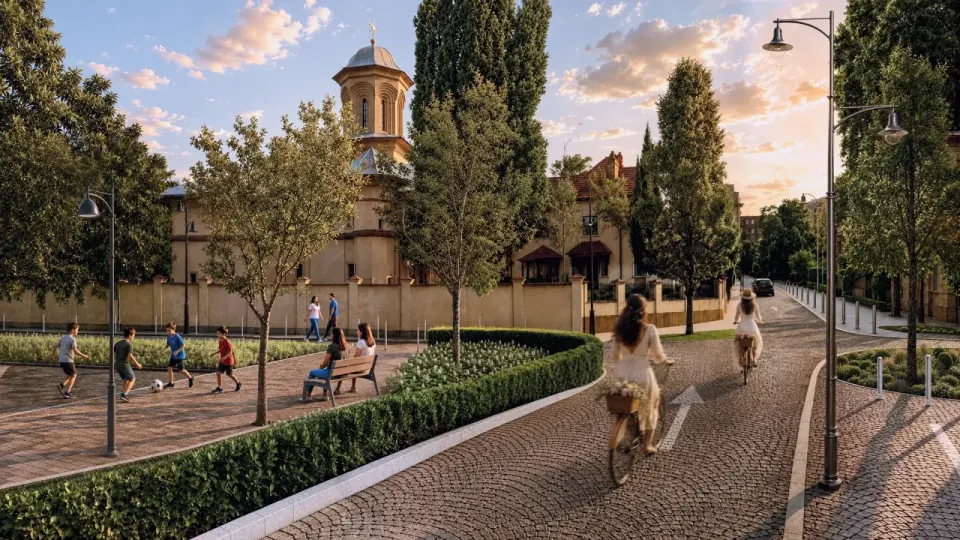
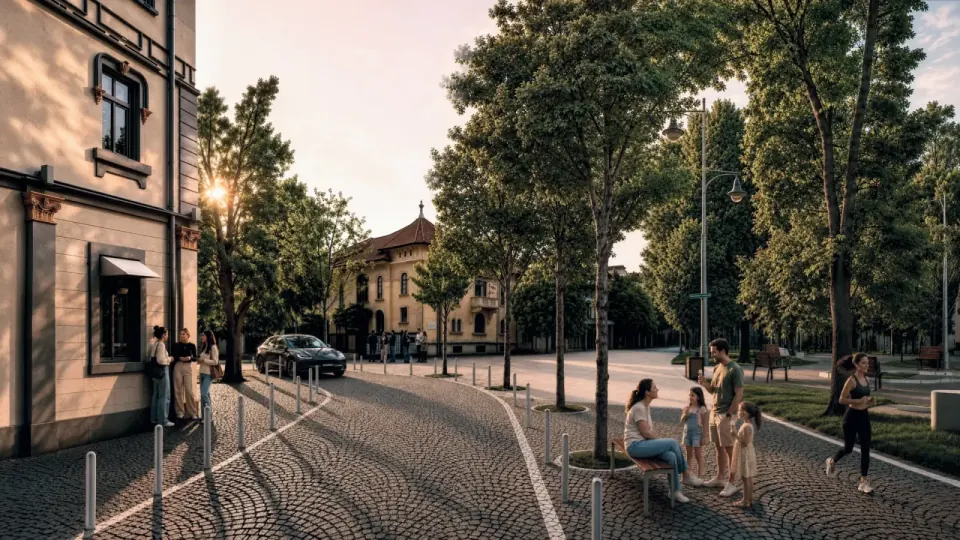
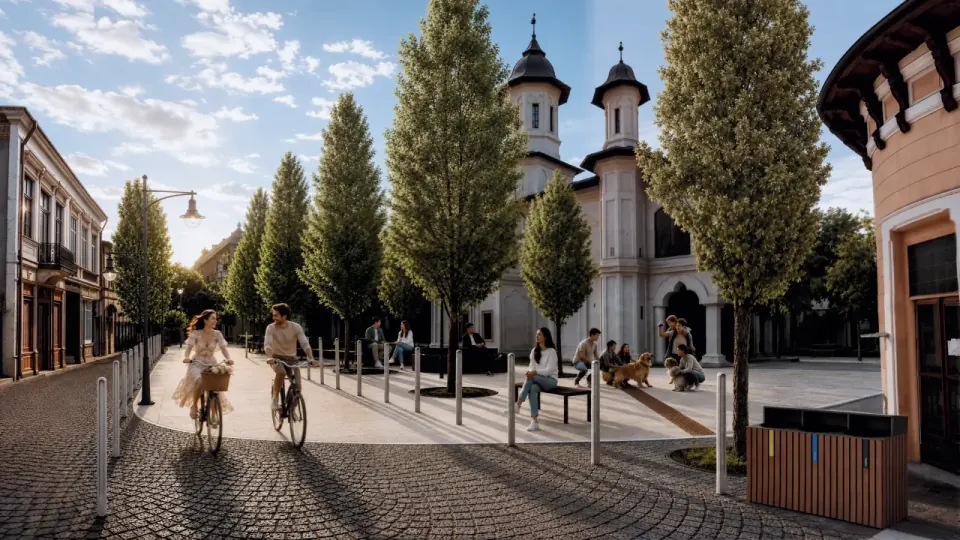
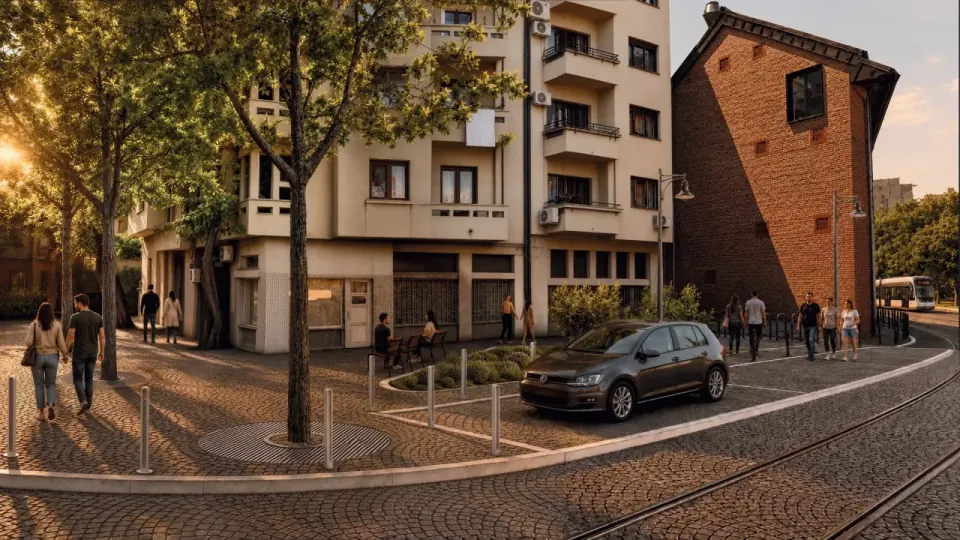
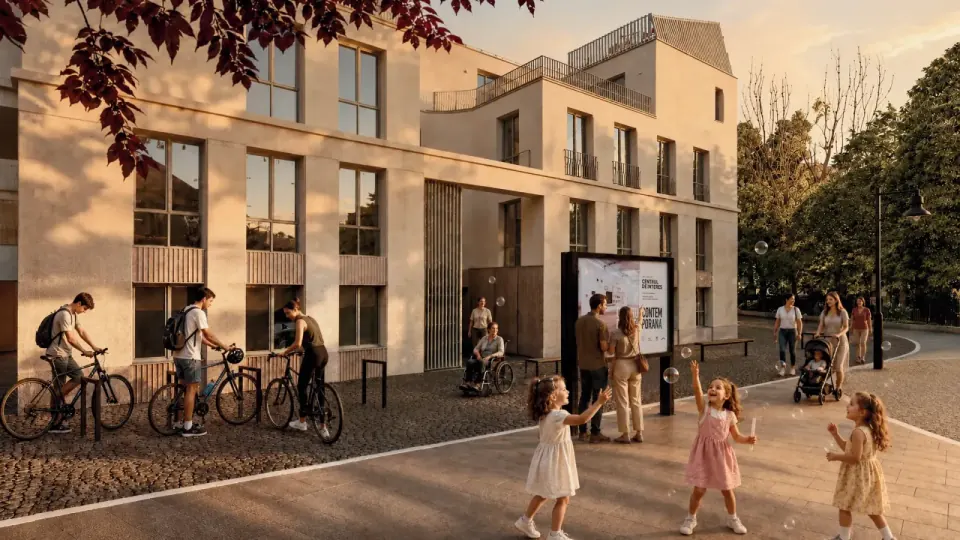
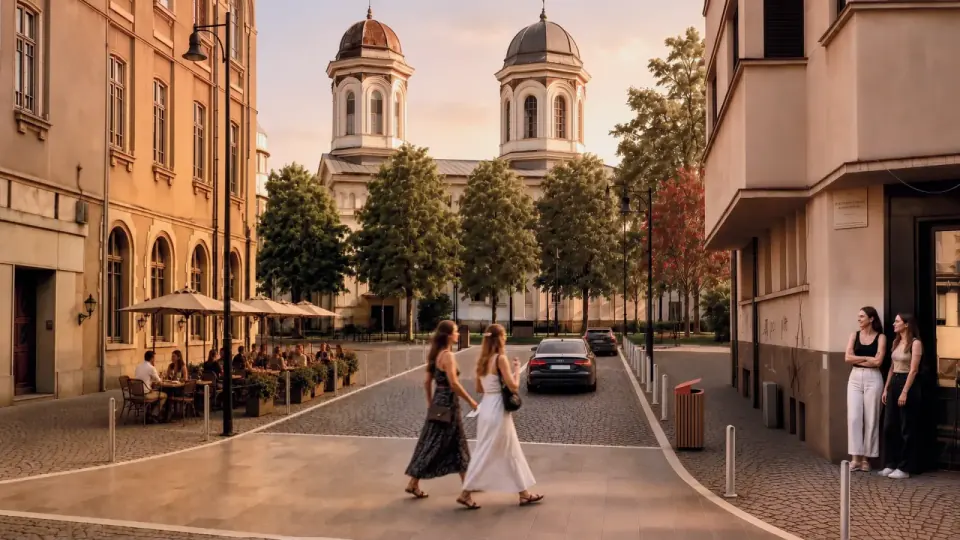
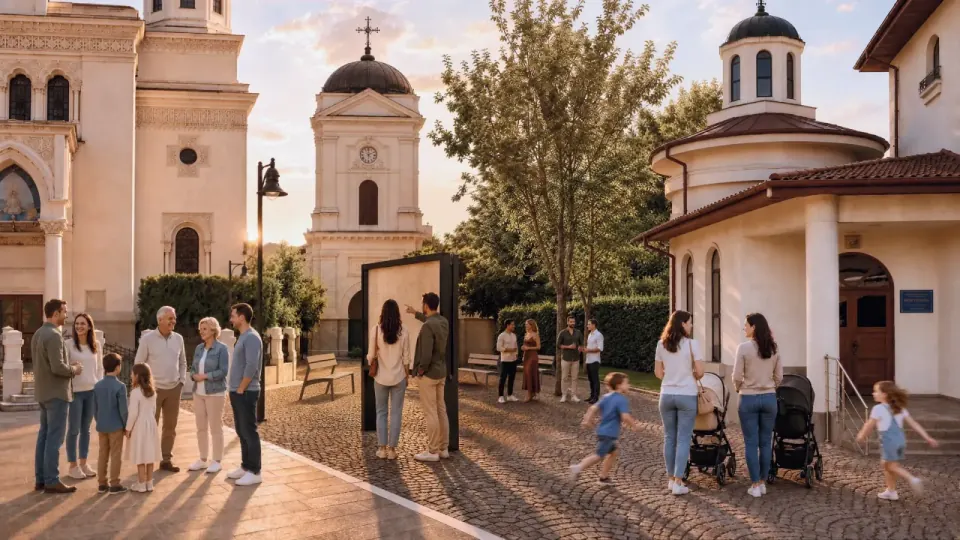
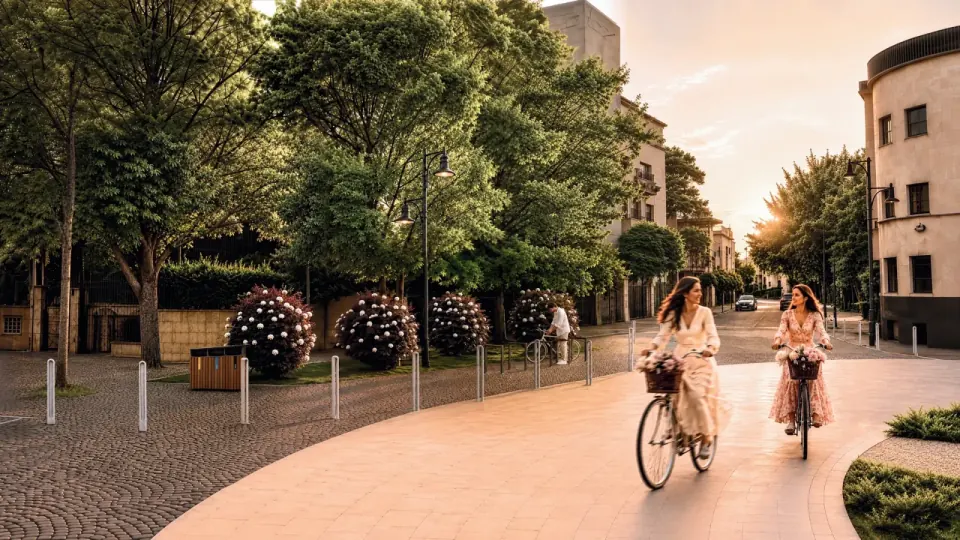
The proposal turns the surface freed of cars into a pocket park with trees, planting, furniture and a fountain at pavement level. The southern lane is pedestrianised, and a north–south route and new crossings link the surrounding streets more clearly. Traffic directions, access to buildings and parking on the adjoining streets are kept.
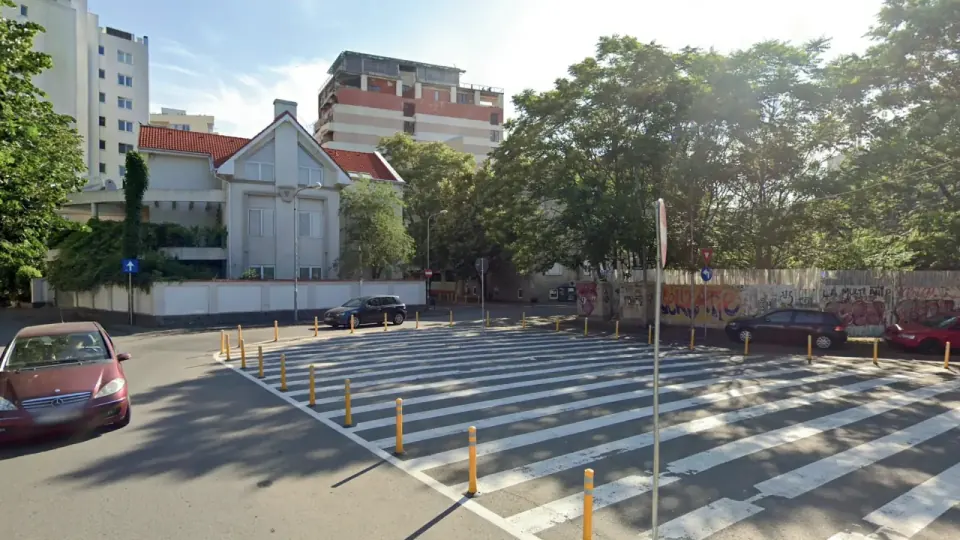
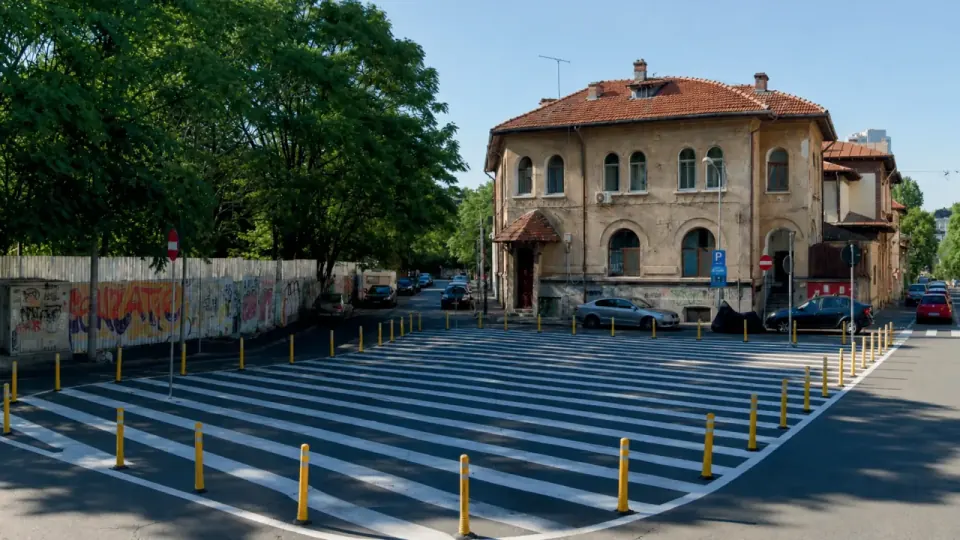
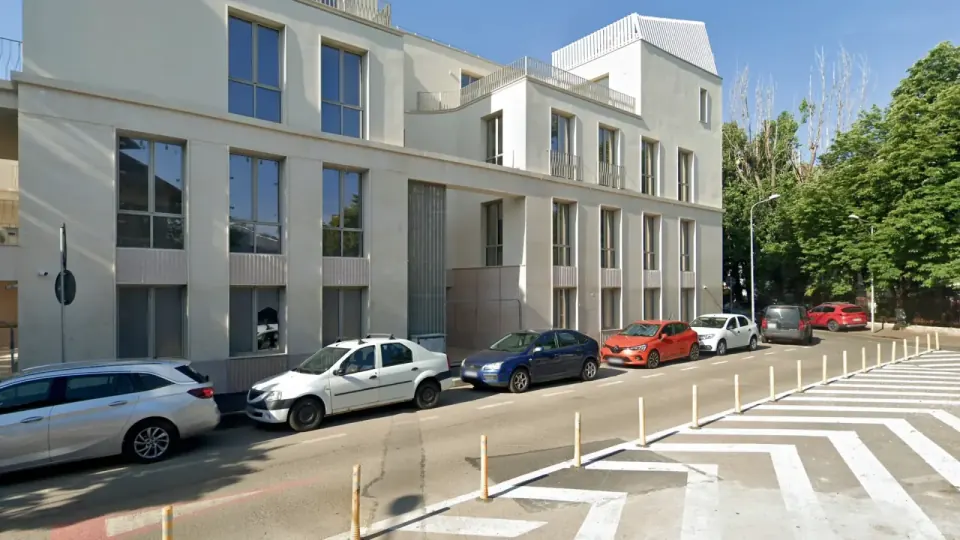
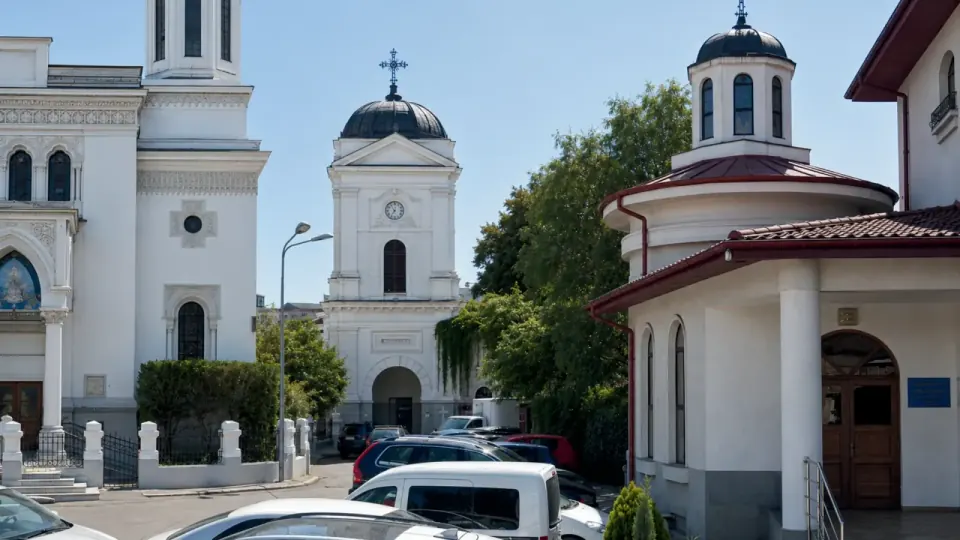
The space is in an intermediate stage: part of the junction has already been freed of cars and marked off, but it does not yet work as a square. The mineral surface is crossed quickly and offers no shade, places to sit or a clear use, even though the neighbourhood has a scale suited to a small meeting place.
People cross the junction, wait briefly or use the routes toward Popa Rusu, Corbeni and Armenească. The marked-off area does not yet have enough furniture or planting to support rest and socialising.
Local traffic comes from several directions, and parking is arranged on the adjoining streets. Some sidewalks are narrow, and the crossings do not form a continuous walking route through the centre of the junction.
The trees and gardens around contribute to the street atmosphere, but the central surface is largely mineral and exposed. Shade and planting are missing exactly from the area that could be used as public space.
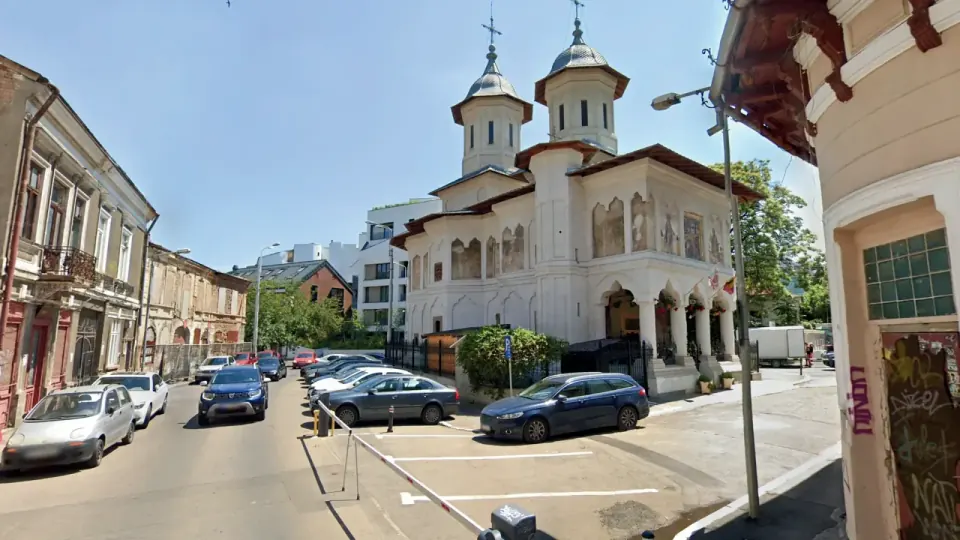
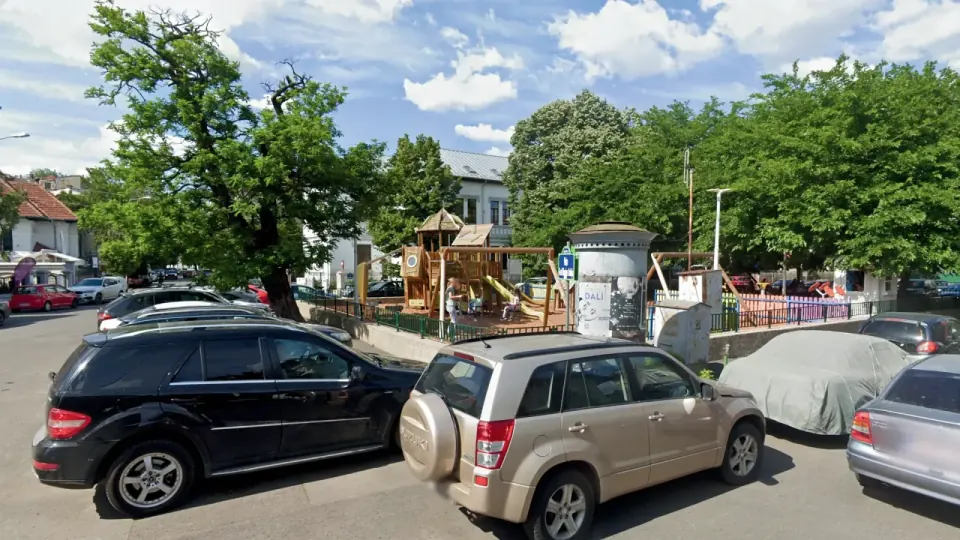
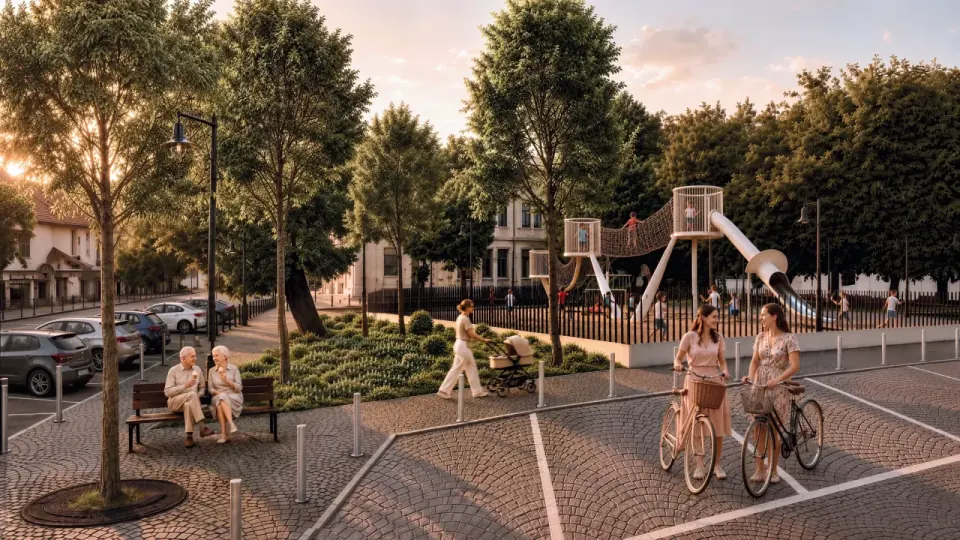
The square belongs to the old residential fabric between Armenească Street and Popa Rusu. The houses and gardens around it, rather than a single monument, define the local character of the junction.
The area is predominantly residential, with small services and routes used daily by neighbours. The scale of the place supports a nearby space for short pauses, meetings and informal play, without large-scale activations.
The southern lane becomes a pedestrian space with trees, planting and neighbourhood furniture.
The water jets cool the place, and the surface stays free when the system is switched off.
Tables and benches are placed next to planting, without blocking the main routes.
A direct route and new crossings connect the three streets more clearly.
Traffic directions and adjoining parking remain, but the roadway is narrowed.
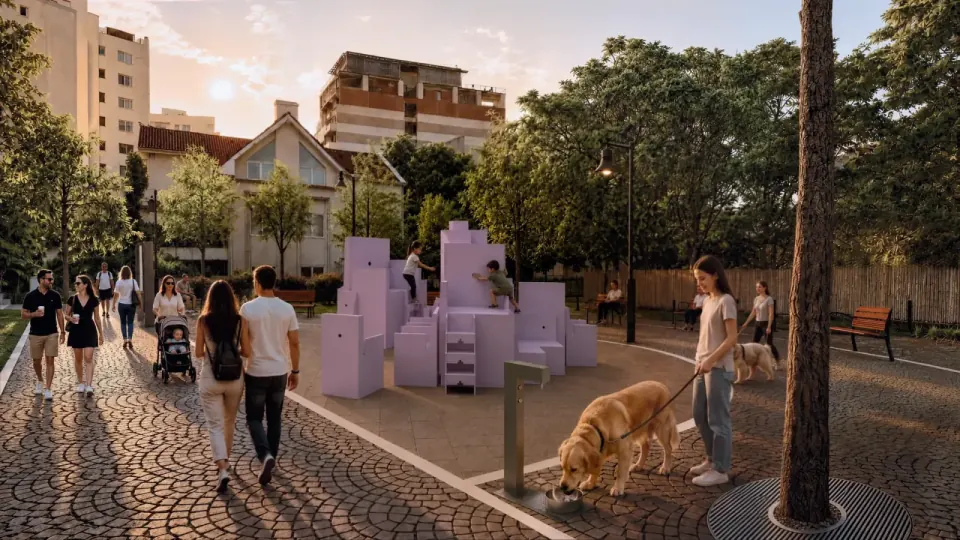
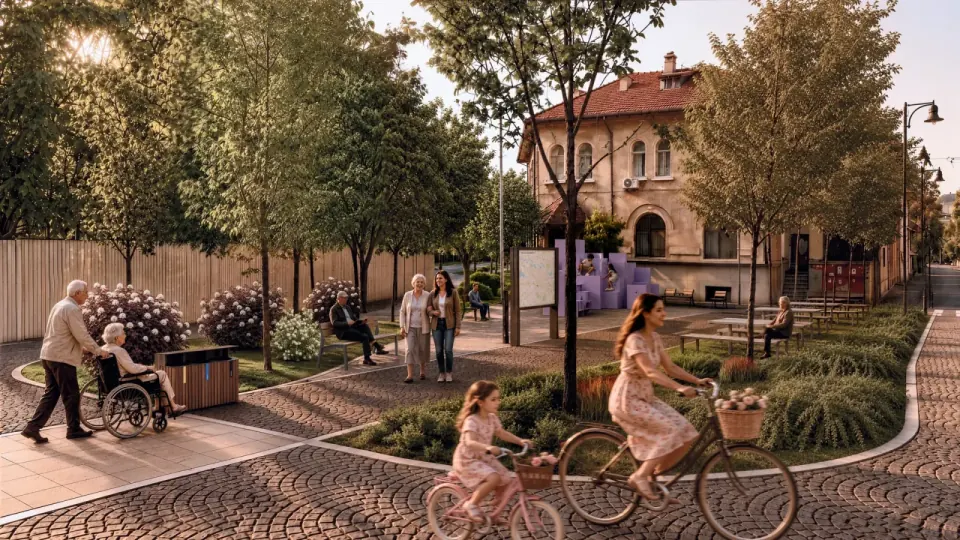
Feedback validated turning the surface freed of cars, but asked for the arrangement to be useful, shaded and in proportion with the place. The solution creates a small park, not a mineral plaza. The fountain is integrated into the paving so that it does not occupy the space permanently, and the trees, benches and direct routes answer the everyday needs of the neighbourhood.
Your response will be saved securely and sent to the project team for review.
The sociological report, the technical concepts presentation and the regeneration strategy are available to read.
On 9 and 10 May we held the first public consultations at Piața Sfântul Ștefan. We talked with residents, listened and took notes. See how it went.
What we learned from the consultations